“What deters pilots from seeking help for mental health concerns” from The Hindu:
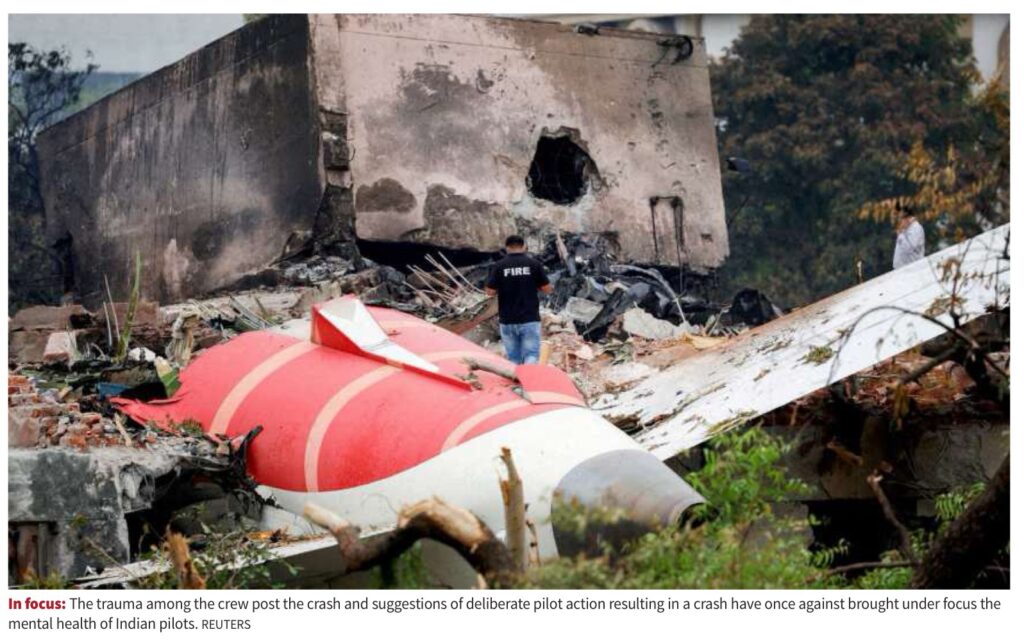
Despite rising awareness about mental health post-pandemic, many airline pilots hesitate to seek help for anxiety, depression, or burnout. The core reason is not just social stigma, but fear that disclosing such issues could affect their medical certification, flying eligibility, and career prospects. 🔸 Key Points: The article opens with the trauma faced by a pilot involved in a recent crash involving Air India Express’ Boeing 737 in June 2024. The incident left the pilot mentally disturbed and unable to sleep or work. Younger pilots and cabin crew are especially at risk of PTSD, and post-crash stress often leads to flight cancellations or medical leave. Many pilots fly back-to-back domestic sectors with limited rest, leading to chronic fatigue, stress, and social isolation. Fear of grounding and loss of income discourages pilots from reporting mental health issues, despite increasing mental health awareness. 🔹 Expert Insights: Shubhashish Majumdar, ex-Airline Commander: Mental health is still not openly acknowledged in Indian aviation. Lack of formal policy, stigma, and cost of mental health care prevent pilots from seeking help. Dr. Jijo John, aviation psychologist: Even if stigma reduces, the risk to license or certification still deters pilots from reporting problems. A 2022 study (W. Hoffman, U.S.) showed that even pilots interested in support hesitate due to uncertainty in policy. ⚖️ Policy & Regulatory Response: In Feb 2023, DGCA issued a circular on “mental health promotion”, encouraging self-reporting and mandatory use of a 25-point questionnaire for evaluation. On July 22, 2024, DGCA asked airline doctors to strictly follow these mental health protocols. 🧾 The Gist (Key Takeaways): Mental health struggles are real among pilots, worsened by job stress, irregular hours, and lack of rest. Pilots avoid help due to fear of losing flying license, lack of policy clarity, and confidentiality concerns. There’s an urgent need for structured, confidential support systems, awareness, and policy reform to make mental health care accessible and stigma-free in aviation.
जैसे-जैसे जलवायु परिवर्तन की घटनाएं बढ़ रही हैं, विशेषज्ञों के अनुसार डूबने से होने वाली मौतों की रोकथाम पर होना चाहिए मुख्य फोकस
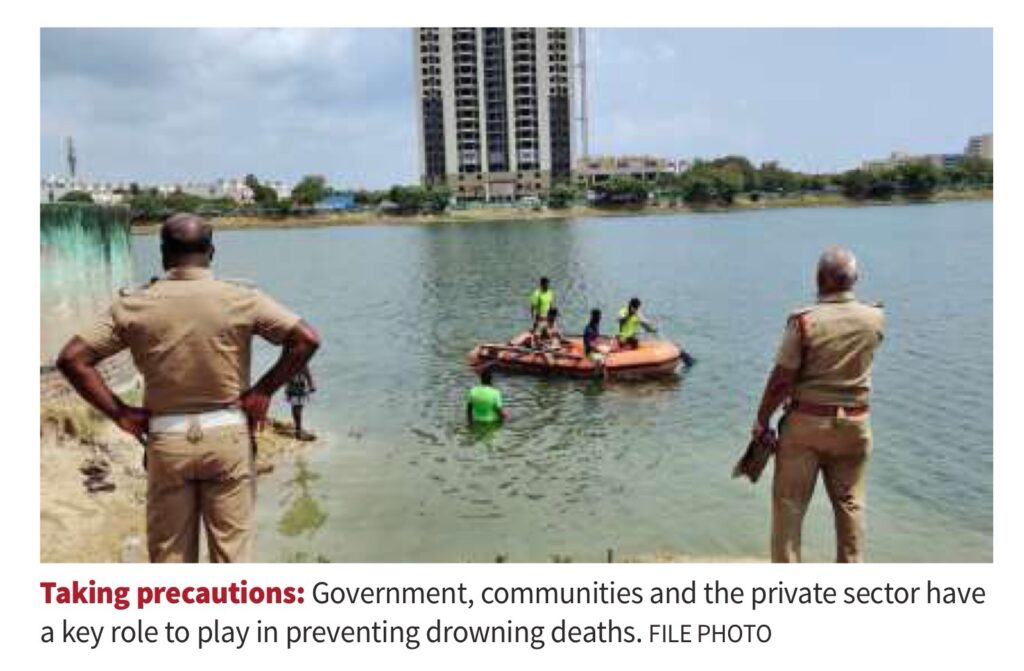
विश्व डूबने की रोकथाम दिवस पर, लेख इस बात पर जोर देता है कि डूबने से होने वाली मौतों की रोकथाम को नीति-निर्माण में प्राथमिकता मिलनी चाहिए, विशेषकर बढ़ती जलवायु-जनित बाढ़ और खराब शहरी डिजाइन के संदर्भ में। एक दुखद उदाहरण तमिलनाडु की एक 4 वर्षीया बच्ची की मौत का दिया गया है, जो किंडरगार्टन में एक खुले गहरे पानी के टैंक में गिर गई। यह घटना बताती है कि असुरक्षित सार्वजनिक स्थान — जैसे स्कूल, सड़कें, पार्क और घर — खासकर बच्चों के लिए रोज़ाना डूबने का खतरा पैदा करते हैं। 🔸 मुख्य तथ्य एवं विशेषज्ञों की राय: सभी डूबने से होने वाली मौतों में से एक-तिहाई 0–14 आयु वर्ग में होती हैं। बच्चों के लिए जोखिम अधिक हैं क्योंकि उनमें निगरानी की कमी, असुरक्षित अवसंरचना और तैराकी कौशल की कमी होती है। 2011 से 2020 के बीच, भारत में बाढ़ ने प्रति वर्ष लगभग 1,500 लोगों की जान ली। जलवायु परिवर्तन शहरी बाढ़ को और गंभीर बना रहा है तथा छोटे जलकुंडों को घातक जाल में बदल रहा है। खराब रूप से रखरखाव की गई अवसंरचना — खुले टैंक, बिना बाड़ वाले पूल, बिना ढक्कन वाले नाले — जोखिम को और बढ़ाते हैं। शहरी योजना अक्सर सुरक्षा की तुलना में डिजाइन को प्राथमिकता देती है, जिसमें पैदल यात्री सुरक्षा और बाल सुरक्षा का अभाव होता है। डब्ल्यूएचओ (WHO) और एनडीएमए (NDMA) इस समस्या को स्वीकारते हैं, लेकिन भारत में शहरी बाढ़ से जुड़ी डूबने की रोकथाम के लिए मजबूत क्रियान्वयन की कमी है। 🔹 सिफारिशें: शहरों को केवल सौंदर्य के लिए नहीं, बल्कि बाढ़-प्रतिरोधी दृष्टिकोण से डिजाइन किया जाए। सार्वजनिक और निजी स्थानों में रखरखाव, निगरानी और सुरक्षा प्रोटोकॉल को बेहतर बनाया जाए। समुदायों और निजी क्षेत्र को सुरक्षा और सुविधाओं के रखरखाव में शामिल किया जाए। प्रथम प्रतिक्रिया करने वालों (first responders) और आम जनता के बीच जागरूकता बढ़ाई जाए। शहरी बाढ़ की तैयारी को स्मार्ट सिटी मिशन और शहरी विकास योजनाओं का हिस्सा बनाया जाए। 📝 UPSC मुख्य परीक्षा प्रश्न (GS पेपर 2 / 3): प्र. “शहरी क्षेत्रों में बढ़ती जलवायु-जनित बाढ़ की पृष्ठभूमि में, डूबने से होने वाली मौतों की रोकथाम भारत में एक सार्वजनिक सुरक्षा प्राथमिकता बननी चाहिए।” इस कथन की आलोचनात्मक समीक्षा कीजिए तथा डूबने से मृत्यु रोकने हेतु संस्थागत, अवसंरचनात्मक एवं नीतिगत कमियों का विश्लेषण करते हुए बाढ़-प्रतिरोधी और सुरक्षित शहरी स्थानों के निर्माण हेतु उपाय सुझाइए। (उत्तर 250 शब्दों में दें)
As climate change events spike, key focus should be drowning prevention: experts
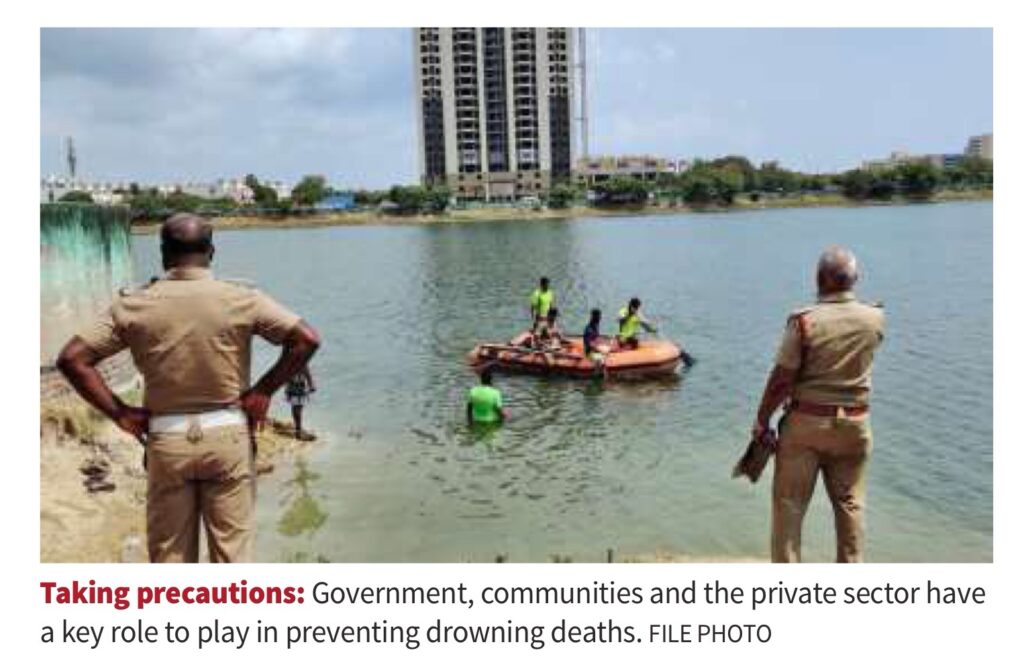
On World Drowning Prevention Day, the article stresses that drowning prevention must become a policy priority, especially in the context of increasing climate-induced floods and poor urban design. A tragic example cited is the death of a 4-year-old girl in Tamil Nadu due to an uncovered deep water tank at a kindergarten, highlighting how unsafe public spaces — including schools, roads, parks, and homes — pose daily drowning risks, especially for children. 🔸 Key facts & expert insights: One-third of all drowning deaths occur in the 0–14 age group. Risks are higher for children due to lack of supervision, unsafe infrastructure, and poor swimming skills. From 2011 to 2020, floods in India claimed 1,500 lives annually. Climate change is worsening urban flooding and turning water pits into deadly traps. Poorly maintained infrastructure — open tanks, unfenced pools, uncovered drains — amplifies risk. Urban planning often ignores safety in favor of design, lacking pedestrian protection and child safety features. WHO and NDMA acknowledge the issue, but India lacks strong implementation for urban flood-related drowning prevention. 🔹 Recommendations: Design cities with flood resilience in mind, not just aesthetics. Improve maintenance, monitoring, and safety protocols in public and private spaces. Involve communities and private sector in ensuring safety and facility upkeep. Increase awareness among first responders and public. Make urban flood preparedness part of Smart Cities and urban development missions. 📝 UPSC Mains GS Paper 2 / 3 Question: Q. “In the context of increasing climate-induced urban flooding, drowning prevention must become a public safety priority in India.” Critically examine the institutional, infrastructural, and policy gaps in addressing drowning deaths, and suggest measures to build flood-resilient and safer urban spaces.
प्लास्टिक उद्योग किस प्रकार तंबाकू उद्योग की तरह भ्रामक जनसंपर्क रणनीतियों और कमजोर नीतिगत खामियों का उपयोग करके पर्यावरणीय नुकसान के पर्याप्त प्रमाणों के बावजूद कॉर्पोरेट जवाबदेही से बचता है।
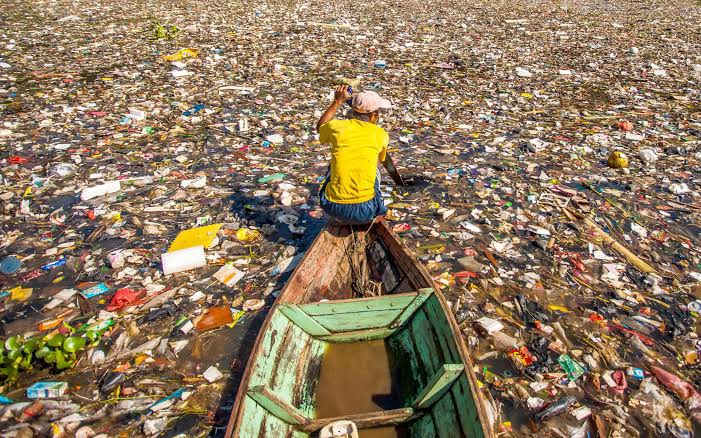
यह लेख यह विश्लेषण करता है कि प्लास्टिक उद्योग किस प्रकार तंबाकू उद्योग की तरह भ्रामक जनसंपर्क रणनीतियों और कमजोर नीतिगत खामियों का उपयोग करके पर्यावरणीय नुकसान के पर्याप्त प्रमाणों के बावजूद कॉर्पोरेट जवाबदेही से बचता है। जिस तरह तंबाकू कंपनियों ने ऐतिहासिक रूप से स्वास्थ्य जोखिमों को कम करके दिखाने के लिए शोधों को प्रायोजित किया, उसी तरह प्लास्टिक उत्पादकों ने 1980 के दशक से पुनर्चक्रण (recycling) को बढ़ावा दिया है, जबकि वे स्वयं मानते हैं कि बड़े पैमाने पर पुनर्चक्रण तकनीकी और आर्थिक रूप से व्यावहारिक नहीं है। यह रणनीति पुनर्चक्रण न करने के लिए व्यक्तियों को दोषी ठहराती है और प्लास्टिक के वास्तविक प्रभाव को छिपाती है। लेख यह उजागर करता है कि ग्लोबल नॉर्थ (विकसित देशों) में सख्त नियमों के चलते, प्लास्टिक उत्पादकों को विकासशील और निम्न-आय वाले देशों की ओर रुख करना पड़ा है ताकि वे अपनी वृद्धि बनाए रख सकें। ये कंपनियाँ कमजोर नियमों और अपर्याप्त अपशिष्ट प्रबंधन प्रणालियों का लाभ उठाती हैं। भारत में, लगभग 70% पुनर्चक्रित प्लास्टिक अनौपचारिक श्रमिकों जैसे कि रैगपिकर्स (कचरा बीनने वाले) द्वारा संभाला जाता है, जो खतरनाक परिस्थितियों में काम करते हैं और उन्हें कोई कानूनी या सामाजिक सुरक्षा प्राप्त नहीं होती। भारत सरकार ने इस दिशा में कुछ कदम उठाए हैं जैसे कि यंत्रीकृत स्वच्छता पारिस्थितिकी तंत्र के लिए राष्ट्रीय कार्य योजना (2024) और संशोधित प्लास्टिक अपशिष्ट प्रबंधन नियम (2016), जिनका उद्देश्य कचरा बीनने वालों को औपचारिक प्रणाली में शामिल करना और निर्माताओं पर उत्तरदायित्व थोपना है। हालांकि, उद्योग जगत की लॉबिंग (प्रभाव डालने की कोशिश) आज भी वैश्विक प्लास्टिक नीतियों को प्रभावित करती रहती है। 🔹 GS पेपर 2 – शासन व्यवस्था एवं अंतरराष्ट्रीय संबंध “प्लास्टिक उद्योग सार्वजनिक उत्तरदायित्व से बचने के लिए तंबाकू उद्योग की जनसंपर्क रणनीतियों को अपनाता है।” इस कथन का पर्यावरणीय शासन और नीतिनिर्माण के संदर्भ में परीक्षण कीजिए। प्लास्टिक अपशिष्ट का पर्यावरणीय बोझ ग्लोबल नॉर्थ से ग्लोबल साउथ की ओर स्थानांतरित करने के नैतिक एवं प्रशासनिक प्रभावों पर चर्चा कीजिए। भारत में प्लास्टिक अपशिष्ट प्रबंधन नियम (2016) और यंत्रीकृत स्वच्छता पारिस्थितिकी तंत्र के लिए राष्ट्रीय कार्य योजना (2024) जैसे उपायों की आलोचनात्मक समीक्षा कीजिए, विशेषकर अनौपचारिक श्रमिकों के संदर्भ में। 🔹 GS पेपर 3 – पर्यावरण, अर्थव्यवस्था एवं प्रौद्योगिकी “पुनर्चक्रण प्लास्टिक संकट का व्यवहारिक समाधान नहीं है, फिर भी इसे समाधान के रूप में प्रस्तुत किया जाता है।” इस विरोधाभास का मूल्यांकन भारत की कचरा प्रबंधन प्रणाली और अंतरराष्ट्रीय प्लास्टिक नीति बहस के परिप्रेक्ष्य में कीजिए। भारत की प्लास्टिक पुनर्चक्रण अर्थव्यवस्था में अनौपचारिक कचरा श्रमिकों की भूमिका का मूल्यांकन कीजिए। उन्हें कौन-कौन सी चुनौतियाँ हैं और उन्हें औपचारिक प्रणाली में कैसे शामिल किया जा सकता है? कई बहुराष्ट्रीय प्लास्टिक निर्माता लाभ बनाए रखने हेतु विकासशील देशों की कमजोर पर्यावरणीय नीतियों का लाभ उठाते हैं। भारत और अन्य ग्लोबल साउथ देशों को इस प्रवृत्ति का मुकाबला करने के लिए कौन-कौन से नीतिगत उपाय अपनाने चाहिए? 🔹 GS पेपर 4 – नैतिकता, ईमानदारी और अभिरुचि कॉर्पोरेशन प्रायः पर्यावरणीय क्षति की ज़िम्मेदारी उपभोक्ताओं पर डालते हैं। इस नैतिक द्वंद्व पर चर्चा कीजिए, विशेषकर प्लास्टिक उद्योग द्वारा पुनर्चक्रण की कहानी के संदर्भ में। कॉर्पोरेशन की पर्यावरणीय स्थिरता सुनिश्चित करने की नैतिक ज़िम्मेदारियाँ क्या होनी चाहिए, विशेषकर जब वे ऐसे देशों में काम करते हैं जहाँ पर्यावरणीय नियमन कमजोर हैं? उदाहरण के लिए प्लास्टिक अपशिष्ट के संदर्भ में उत्तर दीजिए। “हरित-सज्जा (Greenwashing) और भ्रामक प्रचार कॉर्पोरेट पर्यावरणीय उत्तरदायित्व में प्रमुख नैतिक चुनौतियाँ हैं।” इस कथन का विश्लेषण प्लास्टिक उद्योग की कार्यप्रणालियों के परिप्रेक्ष्य में कीजिए।
Is the plastic industry tryingto influence green policies?
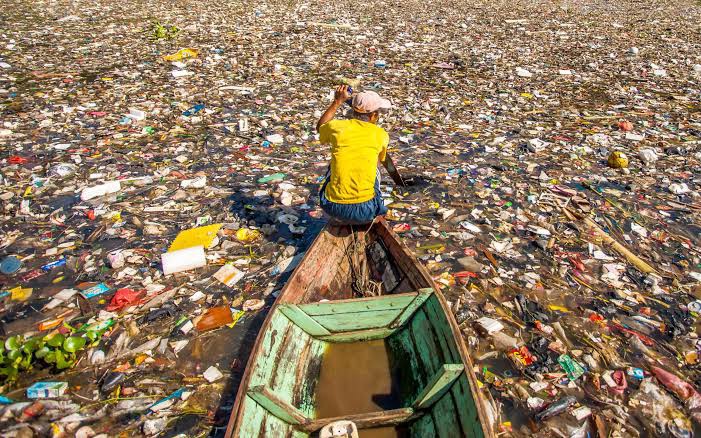
The article explores how the plastic industry, much like the tobacco industry, uses misleading public relations tactics and weak policy loopholes to avoid corporate accountability despite evidence of environmental harm. Just as tobacco companies historically funded studies to downplay health risks, plastic producers have promoted recycling since the 1980s, even though they acknowledge its technical and economic impracticality at scale. This strategy shifts the blame to individuals for not recycling, while masking the true impact of plastics. The article highlights how regulations in the Global North have forced plastic producers to target low- and middle-income countries in the Global South to sustain growth, exploiting weaker regulations and inadequate waste systems. In India, around 70% of recycled plastic is handled by informal workers like ragpickers, who face hazardous conditions without legal or social protection. The government has taken steps under the National Action for Mechanised Sanitation Ecosystem (2024) and the amended Plastic Waste Management Rules (2016) to integrate waste pickers into formal systems and impose responsibility on manufacturers. However, industry lobbying continues to influence global plastic policies. 🔹 GS Paper 2 – Governance & International Relations “The global plastic industry replicates the public relations playbook of the tobacco industry to escape accountability.” Examine this statement in the context of environmental governance and policy-making. Discuss the ethical and governance implications of shifting the environmental burden of plastic waste from the Global North to the Global South. Critically analyse the effectiveness of India’s policies such as the Plastic Waste Management Rules (2016) and the National Action for Mechanised Sanitation Ecosystem (2024) in addressing informal labour in the plastic recycling sector. 🔹 GS Paper 3 – Environment, Economy & Technology “Recycling is not a viable solution to the plastic crisis, yet it is marketed as one.” Evaluate this paradox with reference to India’s waste management system and international plastic policy debates. Assess the role of informal waste workers in India’s plastic recycling economy. What are the challenges they face and how can they be better integrated into formal systems? Examine how multinational plastic producers leverage weaker environmental regulations in developing countries to sustain profits. Suggest policy measures India and other Global South nations can adopt to counter this trend. 🔹 GS Paper 4 – Ethics, Integrity & Aptitude Corporations often shift responsibility for environmental damage onto consumers. Discuss this ethical dilemma using the example of the plastic industry’s recycling narrative. What ethical responsibilities do corporations have in ensuring environmental sustainability, especially when operating in countries with weaker regulations? Illustrate with the case of plastic waste. “Greenwashing and misinformation are major ethical challenges in corporate environmental responsibility.” Analyse this statement with reference to the practices of the plastic industry.
“क्या राष्ट्रपति की राय किसी निर्णय को बदल सकती है?”

“क्या राष्ट्रपति की राय किसी निर्णय को बदल सकती है?” शीर्षक वाला यह लेख राष्ट्रपति द्रौपदी मुर्मू द्वारा हाल ही में संविधान के अनुच्छेद 143(1) के तहत सर्वोच्च न्यायालय की परामर्शीय क्षेत्राधिकार की अपील के संदर्भ में उत्पन्न संवैधानिक मुद्दे की पड़ताल करता है। यह मामला 8 अप्रैल के उस विवादास्पद निर्णय से जुड़ा है जिसमें तमिलनाडु सरकार की याचिका के आधार पर सर्वोच्च न्यायालय ने यह फैसला सुनाया कि राज्य विधानमंडल द्वारा दोबारा पारित विधेयकों पर राज्यपाल आर.एन. रवि की निष्क्रियता अवैध है, और यह कि राज्यपालों और राष्ट्रपति को राज्य विधेयकों पर एक उचित समयसीमा के भीतर कार्रवाई करनी चाहिए। राष्ट्रपति द्वारा प्रस्तुत 14 प्रश्नों वाले इस संदर्भ (Presidential Reference) का उद्देश्य, इस प्रक्रिया में राष्ट्रपति और राज्यपाल की भूमिका और समयसीमा को स्पष्ट करना है। लेख बताता है कि यद्यपि राष्ट्रपति अनुच्छेद 143 के तहत न्यायालय से राय मांग सकते हैं, लेकिन सर्वोच्च न्यायालय इस प्रकार के हर संदर्भ को स्वीकार करने के लिए बाध्य नहीं है और वह उचित कारणों के साथ इसे अस्वीकार कर सकता है। न्यायालय की राय केवल पूछे गए प्रश्नों तक सीमित होती है और यह पहले से दिए गए निर्णयों की समीक्षा का उपकरण नहीं है। महत्वपूर्ण बात यह है कि अनुच्छेद 143 के तहत सर्वोच्च न्यायालय द्वारा दी गई सलाहकारी राय बाध्यकारी नहीं होती, हालांकि इसका प्रभावशाली नैतिक महत्व होता है। यह बात इन री: स्पेशल कोर्ट्स बिल (1978) और सेंट जेवियर्स कॉलेज बनाम गुजरात राज्य (1974) जैसे मामलों में स्पष्ट की गई है। हालांकि, आर.के. गर्ग बनाम भारत संघ (1981) जैसे कुछ मामलों में ऐसी राय को बाध्यकारी दृष्टांत के रूप में भी माना गया है, लेकिन यह अब भी विवादास्पद है। न्यायालय ने यह भी स्पष्ट किया है कि राष्ट्रपति की राय (Presidential Reference) का उपयोग किसी पूर्व निर्णय जैसे कि 8 अप्रैल के फैसले को पलटने या उसकी समीक्षा करने के लिए नहीं किया जा सकता। कावेरी जल विवाद ट्राइब्यूनल संदर्भ मामले में सर्वोच्च न्यायालय ने दोहराया कि अनुच्छेद 143 का उपयोग स्थापित न्यायिक निर्णयों की समीक्षा या निरस्तीकरण के लिए नहीं किया जा सकता। यदि किसी निर्णय की समीक्षा करनी हो, तो इसके लिए न्यायिक पुनर्विचार (judicial review) या करेटिव याचिका (curative petition) ही उचित मार्ग हैं। हालांकि, कुछ ऐतिहासिक उदाहरण इस सामान्य नियम से थोड़ी भिन्नता दिखाते हैं। उदाहरण के लिए, 1998 में न्यायालय ने न्यायिक नियुक्तियों पर एक संदर्भ का उत्तर देते हुए मौजूदा कोलेजियम प्रणाली की पुष्टि की, बिना किसी पूर्व निर्णय को निरस्त किए। इससे यह संकेत मिलता है कि Presidential Reference भविष्य की व्याख्याओं को प्रभावित कर सकता है, लेकिन यह अतीत के निर्णयों को सीधे अमान्य नहीं करता। अंततः, इस मामले में राष्ट्रपति द्वारा भेजा गया संदर्भ संवैधानिक प्रक्रियाओं को समझने में कार्यपालिका की सहायता कर सकता है और संदेहों को दूर कर सकता है, लेकिन यह किसी ऐसे निर्णय को निरस्त या परिवर्तित नहीं कर सकता, जो सर्वोच्च न्यायालय ने अपने मूल क्षेत्राधिकार (original jurisdiction) के तहत दिया हो। यह विषय अब भी जटिल बना हुआ है, क्योंकि संपूरक सलाहकार रायों की बाध्यता पर संवैधानिक और न्यायिक स्तर पर मतभेद कायम हैं। ✅ मुख्य परीक्षा के लिए मूल्य संवर्धन (Value Addition for Mains) अनुच्छेद 143(1): राष्ट्रपति को सर्वोच्च न्यायालय से विधि या तथ्य से संबंधित प्रश्नों पर राय मांगने का अधिकार देता है। बाध्यकारी प्रकृति: संवैधानिक रूप से विवादास्पद; नैतिक रूप से प्रभावी परंतु बाध्यकारी नहीं। महत्वपूर्ण प्रकरण (Important Cases): इन री: स्पेशल कोर्ट्स बिल (1978): न्यायालय संदर्भ अस्वीकार कर सकता है। सेंट जेवियर्स कॉलेज बनाम गुजरात राज्य (1974): परामर्शीय मत बाध्यकारी नहीं। कावेरी जल विवाद ट्राइब्यूनल (1992): अनुच्छेद 143 का प्रयोग न्यायिक निर्णयों की समीक्षा हेतु नहीं किया जा सकता। प्राकृतिक संसाधन आवंटन मामला (2012): न्यायालय ने स्पष्ट किया कि परामर्शीय भूमिका न्यायिक पुनरावलोकन नहीं है। आर.के. गर्ग बनाम भारत संघ (1981): परामर्शीय मत को प्रभावशाली दृष्टांत माना। 📝 UPSC मुख्य परीक्षा प्रश्न सामान्य अध्ययन पेपर 2 – संविधान और शासन 1. “अनुच्छेद 143 के तहत सर्वोच्च न्यायालय का परामर्शीय क्षेत्राधिकार संवैधानिक स्पष्टता का साधन है, न कि न्यायिक पुनरावलोकन का माध्यम।” राज्यपालों की शक्तियों और 8 अप्रैल के सर्वोच्च न्यायालय के निर्णय पर हालिया राष्ट्रपति संदर्भ के आलोक में इस कथन की आलोचनात्मक समीक्षा कीजिए। (250 शब्द) 2. संविधान के अनुच्छेद 143 के अंतर्गत राष्ट्रपति द्वारा सर्वोच्च न्यायालय को संदर्भ भेजने से संबंधित संवैधानिक प्रावधानों पर चर्चा कीजिए। क्या ऐसे परामर्शीय मत कार्यपालिका और न्यायपालिका पर बाध्यकारी होते हैं? (250 शब्द) 3. “राष्ट्रपति संदर्भ का उपयोग स्थापित न्यायिक निर्णयों को पलटने के लिए एक गुप्त माध्यम के रूप में नहीं किया जा सकता।” संबंधित सर्वोच्च न्यायालय के निर्णयों के संदर्भ में इस कथन का विश्लेषण कीजिए। (150 शब्द) 4. सर्वोच्च न्यायालय द्वारा दिए गए परामर्शीय मतों के न्यायिक और संवैधानिक प्रभावों का मूल्यांकन कीजिए। कावेरी जल विवाद ट्राइब्यूनल और प्राकृतिक संसाधन आवंटन मामलों का उल्लेख कीजिए। (250 शब्द) ✅ UPSC प्रारंभिक परीक्षा प्रश्न (MCQs) 1. भारत के संविधान के अनुच्छेद 143 के संबंध में निम्नलिखित कथनों पर विचार कीजिए: यह राष्ट्रपति को विधि या तथ्य के प्रश्नों पर सर्वोच्च न्यायालय से राय लेने का अधिकार देता है। अनुच्छेद 143 के अंतर्गत दिया गया परामर्शीय मत सभी न्यायालयों पर बाध्यकारी होता है। सर्वोच्च न्यायालय राष्ट्रपति के संदर्भ को उत्तर देने से इंकार कर सकता है। यह राष्ट्रपति को सर्वोच्च न्यायालय के अंतिम निर्णय को पलटने की अनुमति देता है। उपरोक्त में से कौन-से कथन सही हैं? A. केवल 1 और 3 B. केवल 1, 2 और 4 C. केवल 1, 3 और 4 D. उपरोक्त सभी उत्तर: A 2. निम्नलिखित में से किस निर्णय में यह स्पष्ट किया गया कि अनुच्छेद 143 के तहत दिए गए परामर्शीय मत सभी न्यायालयों पर बाध्यकारी नहीं हैं? A. केशवानंद भारती बनाम केरल राज्य B. सेंट जेवियर्स कॉलेज बनाम गुजरात राज्य C. मिनर्वा मिल्स बनाम भारत संघ D. मेनका गांधी बनाम भारत संघ उत्तर: B 3. निम्नलिखित में से किस मामले में सर्वोच्च न्यायालय ने दोहराया कि अनुच्छेद 143 का प्रयोग स्थापित न्यायिक निर्णयों की समीक्षा या निरस्तीकरण के लिए नहीं किया जा सकता? A. इन री: केरल एजुकेशन बिल B. प्राकृतिक संसाधन आवंटन मामला C. कावेरी जल विवाद ट्राइब्यूनल संदर्भ D. एडीएम जबलपुर बनाम शिवकांत शुक्ला उत्तर: C
“Can Presidential Reference change a judgment?”

The article titled “Can Presidential Reference change a judgment?” examines the constitutional issue arising from President Droupadi Murmu’s recent invocation of the Supreme Court’s advisory jurisdiction under Article 143(1), following a controversial April 8 judgment. This judgment, stemming from a Tamil Nadu government petition, ruled that Governor R.N. Ravi’s inaction on bills re-passed by the State legislature was illegal and that Governors and the President must act within a reasonable timeframe on State bills. The Presidential Reference consists of 14 questions that broadly seek clarification on the roles and timelines for Governors and the President in dealing with such legislation. The article explains that while the President can seek the Court’s opinion under Article 143, the Court is not compelled to accept every such Reference and may decline it, though with reasons. The scope of the Court’s response is confined strictly to the questions asked, and it does not function as a tool for reviewing settled judgments. Importantly, advisory opinions given by the Supreme Court under Article 143 are not binding, although they carry significant persuasive authority. This was established in past cases such as In re the Special Courts Bill (1978) and St. Xavier’s College v. State of Gujarat (1974). While some judgments like R.K. Garg v. Union of India (1981) have treated advisory opinions as binding precedents, this remains contested. The Court has clarified that a Presidential Reference cannot be used to seek a review or overturn an existing judgment, such as the April 8 ruling. This was reiterated in the Cauvery Water Disputes Tribunal case, where the Supreme Court stressed that Article 143 is not a route to overturn established decisions. Instead, if a judgment needs to be reviewed or corrected, proper judicial review or curative petitions must be filed. However, historical precedents show some nuanced exceptions. For instance, in 1998, the Court answered a Reference on judicial appointments by reaffirming the existing collegium system while not overturning any previous decision. This indicates that a Reference may influence future interpretations but does not directly annul past rulings. In conclusion, while the Presidential Reference in this case may clarify doubts and aid the executive in understanding constitutional procedures, it cannot override or modify the binding nature of a Supreme Court judgment rendered under its original jurisdiction. The issue remains complex, with the binding force of advisory opinions still under legal debate. ✅ Value Addition for Mains Article 143(1): Empowers the President to seek advisory opinion of the Supreme Court. Binding Nature: Constitutionally contested; persuasive but not binding. Important Cases: In Re the Special Courts Bill (1978) – Court may decline Reference. St. Xavier’s College v. State of Gujarat (1974) – Advisory opinions not binding. Cauvery Water Disputes Tribunal (1992) – Article 143 can’t be used to review decisions. Natural Resources Allocation Case (2012) – Court clarified advisory role is not judicial review. R.K. Garg v. Union of India (1981) – Treated advisory opinion as authoritative. 📝 UPSC Mains Questions GS Paper 2 – Polity and Governance 1. “The advisory jurisdiction of the Supreme Court under Article 143 is a tool for constitutional clarity but not a mechanism for judicial review.” Critically examine this statement in light of recent Presidential Reference on the powers of Governors and the April 8 Supreme Court ruling. (250 words) 2. Discuss the constitutional provisions regarding Presidential Reference to the Supreme Court under Article 143. To what extent are such advisory opinions binding on the executive and judiciary? (250 words) 3. “Presidential Reference cannot be used as a backdoor to overturn settled judicial decisions.” Analyze this statement with relevant Supreme Court judgments. (150 words) 4. Evaluate the judicial and constitutional implications of advisory opinions rendered by the Supreme Court. Refer to the Cauvery Water Disputes Tribunal case and the Natural Resources Allocation case. (250 words)
ओडिशा में महिलाओं के खिलाफ बढ़ते अपराधों

यह लेख ओडिशा में महिलाओं के खिलाफ बढ़ते अपराधों और साथ ही साथ कम दोषसिद्धि (conviction) और चार्जशीट दाखिल करने की दरों को उजागर करता है, जो राज्य की संस्थागत प्रतिक्रिया की गंभीर विफलता को दर्शाता है। हाल के मामलों में महिलाओं के साथ बर्बर हमले, अपहरण और उत्पीड़न के कारण आत्महत्याएं शामिल हैं, जो न्याय वितरण प्रणाली की प्रणालीगत खामियों को उजागर करती हैं। राष्ट्रीय अपराध रिकॉर्ड ब्यूरो (NCRB) के आंकड़ों के अनुसार, ओडिशा में वर्ष 2022 में महिलाओं के खिलाफ 5,000 से अधिक पुलिस मामले दर्ज किए गए, जो देश में सबसे अधिक दरों में से एक है — प्रति एक लाख जनसंख्या पर 33 मामले। इसके बावजूद, ओडिशा का दोषसिद्धि दर 2017 से 2022 के बीच औसतन केवल 8.2% रहा, जो राष्ट्रीय औसत से काफी कम है। वर्ष 2022 में इसकी चार्जशीट दाखिल करने की दर 71.4% थी, जो हरियाणा और राजस्थान जैसे उच्च-अपराध वाले राज्यों से भी कम थी। ओडिशा की अदालतें भी अक्षमता दिखाती हैं, जिनमें मामलों के निपटान की दर कम है और लंबित मामलों की संख्या अधिक है। दिल्ली और असम जैसे अन्य राज्यों के साथ ओडिशा की तुलना करने वाले ग्राफ दिखाते हैं कि राज्य दोहरी समस्या झेल रहा है — महिलाओं के खिलाफ अधिक अपराध और कमजोर कानूनी प्रक्रिया। लेख निष्कर्ष रूप में कहता है कि ओडिशा की कानून-व्यवस्था और न्यायपालिका को महिलाओं की सुरक्षा और न्याय में जनता का भरोसा बहाल करने के लिए तत्काल और प्रणालीगत सुधार करने की आवश्यकता है। 📌 मुख्य परीक्षा उत्तर लेखन हेतु मूल्य संवर्धन (Value Addition for Mains Answers): 🔹 प्रासंगिक आंकड़े: ओडिशा में दोषसिद्धि दर (2022): 9.3% (राष्ट्रीय औसत: ~26%) चार्जशीट दाखिल करने की दर: 71.4% (देश में सबसे कम में से एक) महिलाओं के खिलाफ पुलिस मामले: 5,010 (2022 में, प्रति लाख जनसंख्या पर उच्च दर) 🔹 संविधानिक प्रावधान: अनुच्छेद 15(3): महिलाओं के लिए विशेष प्रावधान की अनुमति अनुच्छेद 21: गरिमा के साथ जीवन जीने का अधिकार 🔹 महत्वपूर्ण कानून: दंड प्रक्रिया संहिता (CrPC) की धारा 173: समय पर चार्जशीट दाखिल करना आपराधिक कानून (संशोधन) अधिनियम – 2013 और 2018 🔹 महत्वपूर्ण योजनाएँ: वन स्टॉप सेंटर (OSC) निर्भया फंड फास्ट ट्रैक विशेष अदालतें (FTSCs) 🔹 प्रमुख न्यायालय निर्णय: विशाखा बनाम राजस्थान राज्य: कार्यस्थल पर यौन उत्पीड़न के लिए दिशानिर्देश ललिता कुमारी बनाम उत्तर प्रदेश सरकार: संज्ञेय अपराधों में अनिवार्य एफआईआर का आदेश 📝 सामान्य अध्ययन प्रश्नपत्र 2 – शासन, संविधान, राजनीति और सामाजिक न्याय 1. “महिलाओं के खिलाफ अपराधों की उच्च दर, साथ ही कम दोषसिद्धि और चार्जशीट दाखिल करने की दरें, न्याय वितरण प्रणाली की प्रणालीगत विफलता को दर्शाती हैं।” ओडिशा के हालिया आंकड़ों के आलोक में इन चुनौतियों पर चर्चा कीजिए और सुधारों का सुझाव दीजिए। (250 शब्द) 2. भारत की आपराधिक न्याय प्रणाली महिलाओं के खिलाफ अपराधों से निपटने में कितनी प्रभावी रही है, इसकी विवेचना कीजिए। अपने उत्तर में ओडिशा के प्रमुख कानूनी संकेतकों के प्रदर्शन का उल्लेख कीजिए। (250 शब्द) 3. “भारत में महिलाओं की सुरक्षा के दो प्रमुख स्तंभ हैं — पुलिस की तत्परता और न्यायिक दक्षता।” ऐसे राज्यों के उदाहरण सहित चर्चा कीजिए, जहाँ अपराध दर तो अधिक है लेकिन दोषसिद्धि दर कम है, जैसे कि ओडिशा। (150 शब्द) 4. महिलाओं के खिलाफ अपराधों में कम दोषसिद्धि दर के सार्वजनिक विश्वास और लैंगिक न्याय पर क्या प्रभाव पड़ते हैं? राज्य सरकारें पुलिस और अभियोजन प्रणाली में क्या सुधार कर सकती हैं? (150 शब्द) 🧭 सामान्य अध्ययन प्रश्नपत्र 4 – नैतिकता, सत्यनिष्ठा और अभिवृत्ति 5. “न्याय में देरी, विशेषकर महिलाओं जैसे संवेदनशील वर्गों के लिए, न्याय से वंचित होने के बराबर है।” ओडिशा में बढ़ते अपराधों और न्यायिक लंबित मामलों के संदर्भ में इस नैतिक द्वंद्व पर चर्चा कीजिए। (150 शब्द) 6. महिलाओं के खिलाफ हिंसा के मामलों में न्याय सुनिश्चित करने हेतु लोक सेवकों, कानून प्रवर्तन एजेंसियों और न्यायपालिका की नैतिक जिम्मेदारियों का मूल्यांकन कीजिए। (250 शब्द)
Alarming rise in crimes against women in Odisha

The article highlights the alarming rise in crimes against women in Odisha, coupled with poor conviction and chargesheeting rates, reflecting the state’s inadequate institutional response. Recent cases include brutal assaults, abductions, and suicides triggered by harassment, revealing a systemic failure in justice delivery. Data from NCRB shows that Odisha recorded over 5,000 police cases of crimes against women in 2022, one of the highest rates in India, with 33 cases per one lakh population. Despite this, Odisha ranked among the lowest in conviction rates, averaging just 8.2% between 2017 and 2022, and was consistently below national averages. Its chargesheeting rate was 71.4% in 2022, far below other high-crime states like Haryana and Rajasthan. Courts in Odisha also show inefficiency, with low case disposal rates and high pendency. Graphs comparing Odisha with other states like Delhi and Assam illustrate this dual burden of high crime and weak legal follow-through. The article concludes that Odisha’s law enforcement and judiciary must take urgent, systemic steps to restore faith in justice and protect women’s rights and safety. 📌 Value Addition for Mains Answers: Relevant Data: Odisha’s conviction rate in 2022: 9.3% (National Avg: ~26%) Chargesheeting rate in Odisha: 71.4% (Among the lowest) Police cases of crimes against women in Odisha: 5,010 in 2022 (high per capita rate) Legal Provisions: Article 15(3) – Special provisions for women Article 21 – Right to life with dignity Criminal Law (Amendment) Acts – 2013 & 2018 Section 173 CrPC – Timely filing of chargesheet Important Schemes: One Stop Centres (OSC) Nirbhaya Fund Fast Track Special Courts (FTSC) Court Judgments: Vishakha v. State of Rajasthan – Sexual harassment guidelines Lalita Kumari v. Govt. of UP – Mandatory FIR in cognizable offences 📝 GS Paper 2 – Governance, Constitution, Polity, and Social Justice 1. “High incidence of crimes against women, combined with poor conviction and chargesheeting rates, reflects a systemic failure of justice delivery.” In light of recent data from Odisha, discuss the challenges and suggest reforms. (250 words) 2. Examine the effectiveness of India’s criminal justice system in addressing crimes against women. Illustrate your answer with reference to Odisha’s performance on key legal metrics. (250 words) 3. “Police responsiveness and judicial efficiency are key pillars of women’s safety in India.” Discuss with examples from states with high crime rates but low conviction, such as Odisha. (150 words) 4. Highlight the implications of low conviction rates in crimes against women on public trust and gender justice. How can state governments reform police and prosecution systems? (150 words) 🧭 GS Paper 4 – Ethics, Integrity & Aptitude 5. “Justice delayed is justice denied, especially for vulnerable groups like women.” Discuss this ethical dilemma in the context of rising crimes against women and judicial pendency in Odisha. (150 words) 6. Evaluate the ethical responsibilities of public officials, law enforcement agencies, and the judiciary in ensuring justice for women victims of violence. (250 words)
महाराष्ट्र स्पेशल पब्लिक सिक्योरिटी (MSPS) विधेयक, 2024
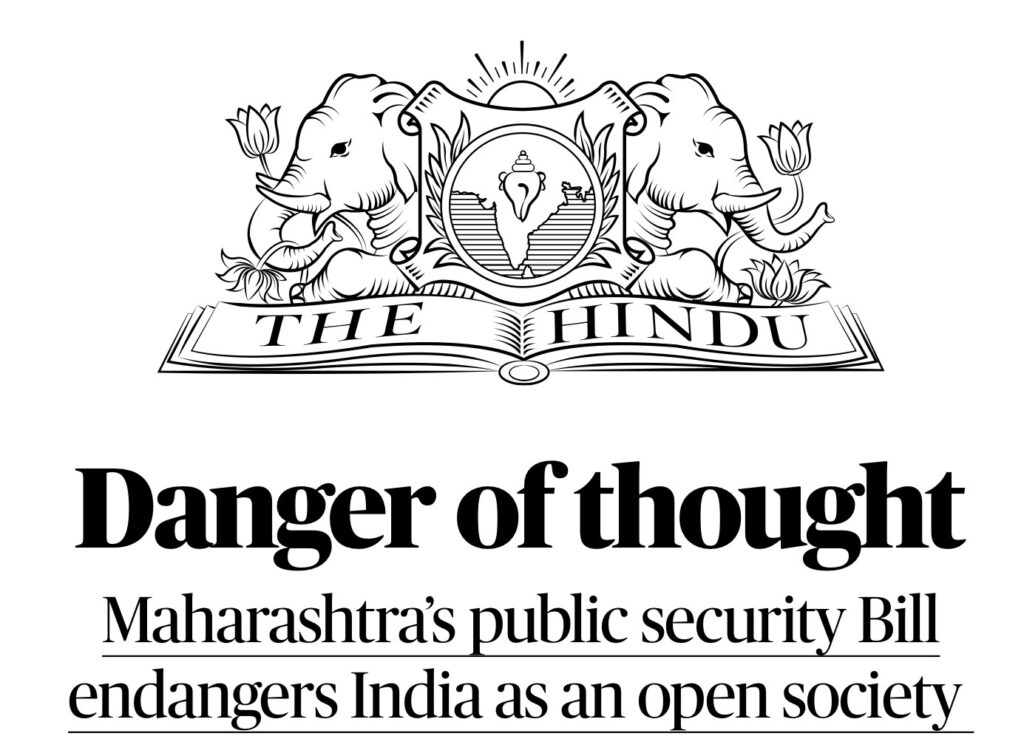
यह संपादकीय महाराष्ट्र स्पेशल पब्लिक सिक्योरिटी (MSPS) विधेयक, 2024 की आलोचना करता है और चेतावनी देता है कि यह भारत की एक खुली और लोकतांत्रिक समाज के रूप में पहचान को खतरे में डालता है। यह विधेयक, जिसे भाजपा नेतृत्व वाली महायुति सरकार ने पेश किया है, राज्य सरकार को किसी भी संगठन को “गैर-कानूनी संगठन” घोषित करने और उन विचारों या कार्यों को अपराध घोषित करने की अनुमति देता है जो सार्वजनिक व्यवस्था के लिए खतरा माने जाते हैं। इसमें मौखिक या प्रतीकात्मक अभिव्यक्तियों जैसी अस्पष्ट और व्यापक परिभाषाएं भी शामिल हैं। लेख में तर्क दिया गया है कि ऐसी विधियां, माओवादी गतिविधियों के खिलाफ कार्रवाई के बहाने, राजनीतिक आलोचकों, असहमति जताने वालों और सिविल सोसाइटी के सदस्यों के खिलाफ दुरुपयोग की जा सकती हैं। यह भी उल्लेख किया गया है कि छत्तीसगढ़ और ओडिशा जैसे राज्यों में इसी प्रकार के कानून पहले से मौजूद हैं, लेकिन महाराष्ट्र का यह विधेयक कार्यपालिका की शक्तियों को और भी अधिक बढ़ाता है और नागरिक स्वतंत्रताओं को सीमित करता है। हालाँकि कुछ कमजोर विरोध हुआ, लेकिन यह विधेयक आसानी से पारित हो गया, जिससे यह चिंता उठी कि यह सहमति आधारित दमन की ओर इशारा करता है। लेख का निष्कर्ष है कि विचार और अभिव्यक्ति को दंडित करना भारत के लोकतांत्रिक ताने-बाने के लिए गंभीर खतरा है और यह अभिव्यक्ति की स्वतंत्रता और खुले विमर्श जैसे भारत के मूलभूत सिद्धांतों को कमजोर करता है। 📌 मुख्य परीक्षा हेतु मूल्य संवर्धन (Value Addition): 🔹 संबंधित संवैधानिक अनुच्छेद: अनुच्छेद 19(1)(क): भाषण और अभिव्यक्ति की स्वतंत्रता अनुच्छेद 21: जीवन और व्यक्तिगत स्वतंत्रता का अधिकार 🔹 प्रमुख सर्वोच्च न्यायालय के निर्णय: श्रेया सिंघल बनाम भारत संघ (2015): सूचना प्रौद्योगिकी अधिनियम की धारा 66A को अस्पष्ट और अभिव्यक्ति को ठंडा करने वाला बताते हुए निरस्त किया गया। केदार नाथ सिंह बनाम बिहार राज्य (1962): देशद्रोह की सीमाओं को स्पष्ट किया गया। 🔹 हाल की घटनाएँ (Recent Events): विभिन्न राज्यों में अभिव्यक्ति और असहमति की आपराधिकता में वृद्धि। नागरिक समाज के सदस्यों पर UAPA जैसे कड़े कानूनों का उपयोग। 📝 सामान्य अध्ययन पत्र 2 – शासन, संविधान, राजनीति, सामाजिक न्याय और अंतर्राष्ट्रीय संबंध 1. “विचार और भाषण को अपराध घोषित करने वाले कानून लोकतांत्रिक मूल्यों के लिए खतरा हैं।” इस कथन के आलोक में महाराष्ट्र स्पेशल पब्लिक सिक्योरिटी विधेयक, 2024 की आलोचनात्मक समीक्षा कीजिए। (250 शब्द) 2. भारत में अभिव्यक्ति की स्वतंत्रता से जुड़े संवैधानिक सुरक्षा प्रावधानों की विवेचना कीजिए। महाराष्ट्र स्पेशल पब्लिक सिक्योरिटी विधेयक, 2024 इन अधिकारों को किस प्रकार चुनौती देता है? (250 शब्द) 3. “सार्वजनिक सुरक्षा के नाम पर कार्यपालिका की अति-हस्तक्षेप की प्रवृत्ति विधि के शासन को कमजोर करती है।” इस कथन पर महाराष्ट्र स्पेशल पब्लिक सिक्योरिटी विधेयक, 2024 के संदर्भ में चर्चा कीजिए। (150 शब्द) 4. राज्य स्तरीय सुरक्षा कानूनों में “गैर-कानूनी गतिविधियों” की अस्पष्ट और व्यापक कानूनी परिभाषाओं से उत्पन्न चुनौतियों पर चर्चा कीजिए। उदाहरण स्वरूप, MSPS विधेयक, 2024 के प्रावधानों का उल्लेख कीजिए। (250 शब्द) 5. राज्य की आलोचना और असहमति को अपराध घोषित करने के क्या प्रभाव हो सकते हैं? भारत के एक खुले और बहुलतावादी समाज के रूप में दर्ज़े के संदर्भ में विश्लेषण कीजिए। (150 शब्द) 🧭 सामान्य अध्ययन पत्र 4 – नैतिकता, अखंडता और अभिवृत्ति 6. “नैतिक शासन व्यवस्था में राष्ट्रीय सुरक्षा और नागरिक स्वतंत्रताओं के बीच संतुलन आवश्यक है।” महाराष्ट्र स्पेशल पब्लिक सिक्योरिटी विधेयक, 2024 के संदर्भ में इस द्वंद्व पर चर्चा कीजिए। (150 शब्द) 7. राष्ट्रीय सुरक्षा के नाम पर असहमति को दबाने वाले कानूनों के निर्माण से जुड़ी नैतिक चुनौतियों की चर्चा कीजिए। हाल के राज्य स्तरीय विधानों का उदाहरण दीजिए। (250 शब्द)