Exercise Bold Kurukshetra 2025

The 14th edition of the India–Singapore Joint Military Exercise, Bold Kurukshetra 2025, began in Jodhpur, Rajasthan. First conducted in 2005, this exercise is a Table Top Exercise (TTX) and Computer-Based Wargame focused on validating mechanised warfare procedures. It aims to enhance interoperability, tactical coordination, and joint operational planning between the Indian Army and the Singapore Armed Forces under the framework of a United Nations mandate. This cooperation plays a pivotal role in reinforcing India–Singapore defence ties, especially in the context of regional stability and Indo-Pacific security. The India–Singapore defence relationship is rooted in the Defence Cooperation Agreement (2003), renewed in 2015, and includes multiple engagements across the army, navy, and air force. Singapore also provides training areas to Indian forces such as Babina and Deolali, highlighting the strategic depth of the partnership. The Bold Kurukshetra exercise complements naval initiatives like SIMBEX—India’s longest uninterrupted bilateral naval exercise, which began in 1994 as Exercise Lion King. Through these exercises, both nations strengthen military preparedness, enhance peacekeeping capabilities, and contribute to maintaining a rules-based order in the Indo-Pacific. Bold Kurukshetra also serves India’s larger Act East Policy, as Singapore remains a key strategic and economic partner in Southeast Asia. It helps both countries simulate real-world combat conditions, improve command-level coordination, and practice multi-domain operational synergy, especially in UN peacekeeping missions. The 2025 edition thus not only reinforces bilateral defence ties but also contributes to broader regional security cooperation in line with India’s strategic objectives.
NISAR सैटेलाइट
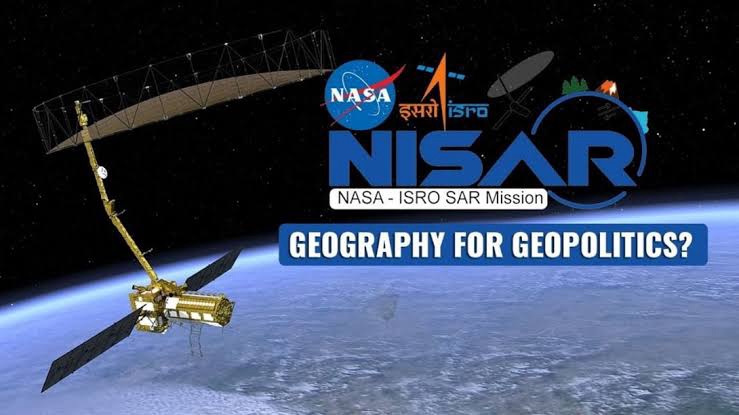
NISAR (NASA-ISRO Synthetic Aperture Radar) एक अत्याधुनिक पृथ्वी-अवलोकन सैटेलाइट है जिसे ISRO और NASA ने संयुक्त रूप से वर्ष 2014 में समझौते के तहत विकसित किया है। इसे 30 जुलाई को श्रीहरिकोटा से GSLV Mk-II रॉकेट द्वारा प्रक्षेपित किया जाएगा और यह 747 किमी ऊँचाई पर सूर्य-समकालिक ध्रुवीय कक्षा में स्थापित होगा। यह पहला ऐसा मिशन है जो दो माइक्रोवेव बैंड (L-बैंड और S-बैंड) में डेटा एकत्र करता है—जहां S-बैंड पेलोड ISRO द्वारा और L-बैंड NASA द्वारा बनाया गया है। इसमें पूर्ण पोलरिमेट्रिक रडार तकनीक है जो 240 किमी चौड़ी पट्टी में इमेजिंग कर सकता है और हर 12 दिन में पृथ्वी की सतह का मानचित्रण कर सकता है। NASA द्वारा L-बैंड का संचालन 3 वर्षों तक और ISRO द्वारा S-बैंड का संचालन 5 वर्षों तक किया जाएगा। NISAR विभिन्न पृथ्वी-आधारित परिवर्तन, जैसे टेक्टोनिक प्लेट की हलचल, कृषि पैटर्न, जल संकट, मरुस्थलीकरण, जलवायु परिवर्तन, आदि को उच्च सटीकता से माप सकता है। यह सैटेलाइट प्राकृतिक संसाधनों के प्रबंधन और आपदा जोखिम न्यूनीकरण में भी सहायक सिद्ध होगा। 📝 UPSC मुख्य परीक्षा प्रश्न (GS3 – विज्ञान एवं प्रौद्योगिकी / पर्यावरण) 1. NISAR उपग्रह पृथ्वी की सतह और जलवायु परिवर्तन की समझ को कैसे बेहतर बनाता है? विवेचना कीजिए। 2. भारत और अमेरिका के मध्य अंतरिक्ष सहयोग का विश्लेषण कीजिए, विशेष रूप से NISAR मिशन के सन्दर्भ में। 3. NISAR की द्वि-बैंड SAR तकनीक पृथ्वी-अवलोकन क्षमताओं को किस प्रकार बढ़ाती है? उदाहरण सहित स्पष्ट कीजिए। 4. भारत में कृषि और जल संसाधन प्रबंधन में NISAR से प्राप्त आंकड़े किस प्रकार सहायक होंगे? 🧾 UPSC प्रारंभिक परीक्षा MCQ प्र. NISAR सैटेलाइट के संबंध में निम्नलिखित कथनों पर विचार कीजिए: यह केवल ISRO द्वारा विकसित L-बैंड SAR तकनीक का उपयोग करता है। इसे सूर्य-समकालिक कक्षा में स्थापित किया जाएगा। यह टेक्टोनिक हलचलों और फसल उत्पादन में बदलाव को माप सकता है। सही कथन चुनिए: ( a) केवल 2 और 3 ( b) केवल 1 और 2 ( c) केवल 3 ( d) 1, 2 और 3 ✅ उत्तर: (a) केवल 2 और 3 📘 UPSC मूल्यवर्धन (Value Addition) 🔹 1. वैज्ञानिक महत्व: पहला सैटेलाइट जो L + S बैंड SAR तकनीक का उपयोग करता है इंटरफेरोमेट्री द्वारा सतह विकृति का मिलीमीटर स्तर पर विश्लेषण 🔹 2. भारत-अमेरिका सहयोग: भारत-अमेरिका के बीच अंतरिक्ष कूटनीति को बढ़ावा भारत की रिमोट सेंसिंग क्षमताओं में अभूतपूर्व वृद्धि 🔹 3. SDG लिंक (सतत विकास लक्ष्य): SDG 13 (जलवायु कार्रवाई) SDG 15 (स्थल पर जीवन) SDG 2 (शून्य भूख)
NISAR Satellite
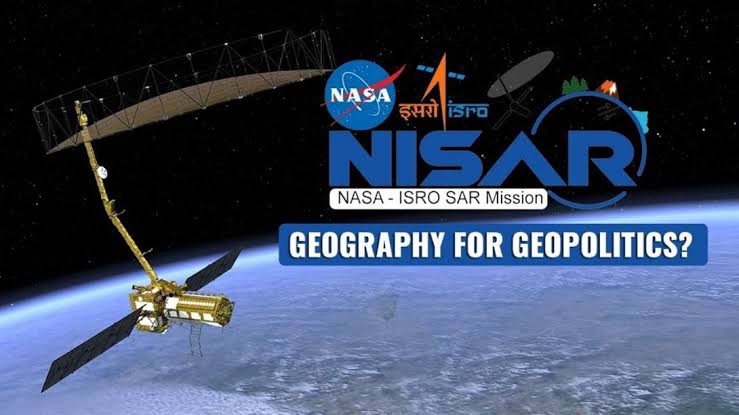
The NASA-ISRO Synthetic Aperture Radar (NISAR) is a first-of-its-kind Earth observation satellite jointly developed by NASA and ISRO under a 2014 partnership. Scheduled for launch on July 30 from Sriharikota via GSLV Mk-II, NISAR will be placed in a Sun-synchronous polar orbit at 747 km altitude. It will be the first satellite to use dual-frequency radar (L-band by NASA and S-band by ISRO), enabling comprehensive surface imaging. The satellite features fully polarimetric radar technology with an imaging swath of 240 km, capable of global surface coverage every 12 days. NISAR will map Earth’s changing surface using interferometric time-series imagery, with NASA conducting a 3-year science operation and ISRO continuing for 5 years. The L-band SAR penetrates forests and soils, useful for tectonic monitoring, while the S-band detects surface details like crops and infrastructure. NISAR will assist in studying climate change, water cycle dynamics, agriculture, desertification, tectonic shifts, and help in natural resource and disaster management globally. 📝 UPSC Mains Questions (GS3 – Science & Tech / Environment) 1. Discuss the significance of the NISAR satellite in understanding climate change and Earth surface dynamics. (150 words) 2. Examine the collaborative efforts of India and the USA in space technology with reference to the NISAR mission. (10 marks) 3. How does the dual-frequency SAR technology in NISAR enhance Earth observation capabilities? Explain with examples. 4. How can NISAR data assist in agricultural and water resource management in India? 🧾 UPSC Prelims MCQs Q1. With reference to the NISAR satellite, consider the following statements: It uses only the L-band SAR technology developed by ISRO. It will be launched into a Sun-synchronous orbit. It can measure tectonic movement and crop yield changes. Which of the statements is/are correct? (a) 2 and 3 only (b) 1 and 2 only (c) 3 only (d) 1, 2 and 3 ✅ Answer: (a) 2 and 3 only 📘 Value Addition for Mains 🔹 1. Scientific Significance: First radar satellite with dual-band (L + S) SAR → increased spatial and temporal resolution. Interferometry enables tracking of surface deformation at millimeter accuracy. 🔹 2. Strategic/Geopolitical Context: Reinforces India–US space diplomacy. Enhances India’s remote sensing capability in the Indo-Pacific. 🔹 3. Environmental Governance (SDG Linkages): Supports SDG 13 (Climate Action), SDG 15 (Life on Land), and SDG 2 (Zero Hunger).
लक्षद्वीप में कोरल का क्षरण
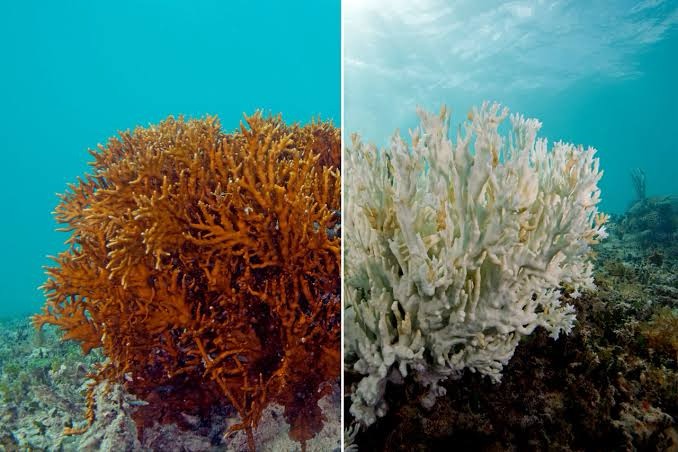
🔷 लक्षद्वीप में कोरल का क्षरण हाल ही में एक अध्ययन में पाया गया कि लक्षद्वीप द्वीपसमूह में कोरल रीफ का आवरण 1998 की तुलना में लगभग 50% घट चुका है। पिछले 24 वर्षों में कोरल कवर 37.24% से घटकर 19.6% रह गया है, जो समुद्री पारिस्थितिकी तंत्र के लिए गंभीर चिंता का विषय है। 🔷 कोरल क्या हैं? कोरल समुद्री अकशेरुकी जीव होते हैं जो Cnidaria नामक जीवों के समूह से संबंधित होते हैं। ये छोटे, नरम जीवों के समूह (पॉलीप्स) से बने होते हैं, जो अपने चारों ओर कैल्शियम कार्बोनेट से बना कठोर आवरण (exoskeleton) बनाते हैं। लाखों पॉलीप्स मिलकर विशाल कोरल रीफ संरचनाओं का निर्माण करते हैं। कोरल को उनका रंग ज़ूजैंथली (zooxanthellae) नामक सूक्ष्म शैवाल से मिलता है। कोरल रीफ के तीन प्रमुख प्रकार हैं: फ्रिंजिंग रीफ (Fringing reefs) – तटरेखा के साथ बनते हैं बैरीयर रीफ (Barrier reefs) – खुले समुद्र में विकसित होते हैं एटोल (Atolls) – डूबे हुए ज्वालामुखियों के चारों ओर वलयाकार रीफ बनते हैं भारत में प्रमुख कोरल रीफ क्षेत्र हैं: कच्छ की खाड़ी, मन्नार की खाड़ी, अंडमान और निकोबार द्वीप, लक्षद्वीप द्वीप और मालवन। 🔷 कोरल रीफ का पारिस्थितिक महत्व कोरल रीफ समुद्री जैव विविधता के लिए अत्यंत आवश्यक हैं। यह लगभग 25% समुद्री जीवों को भोजन, आश्रय और प्रजनन स्थल प्रदान करते हैं। ये प्राकृतिक नर्सरी की भूमिका निभाते हैं। साथ ही, दुनिया भर में 1 अरब से अधिक लोग कोरल रीफ पर भोजन, रोजगार और मनोरंजन के लिए निर्भर हैं, विशेष रूप से तटीय क्षेत्रों में। 🔷 कोरल ब्लीचिंग और क्षरण के कारण जलवायु परिवर्तन और समुद्री हीटवेव – बढ़ते समुद्र सतह तापमान के कारण कोरल और उनके शैवाल के बीच का संबंध टूट जाता है, जिससे कोरल ब्लीचिंग होती है। महासागरीय अम्लीकरण (Ocean Acidification) – वायुमंडलीय CO₂ के महासागर में घुलने से पानी का pH घटता है, जिससे कोरल के लिए हड्डी जैसी संरचना बनाना कठिन हो जाता है। प्रदूषण – भूमि से बहकर आने वाले उर्वरक, कीटनाशक, और भारी धातुएं जैसे सीसा कोरल के स्वास्थ्य को नुकसान पहुंचाते हैं। भौतिक क्षति – तटीय विकास, अवैज्ञानिक मत्स्यन, अवसादन, और कोरल खनन रीफ को भौतिक रूप से नष्ट करते हैं। अत्यधिक मछली पकड़ना (Overfishing) – शैवाल नियंत्रण करने वाली मछलियों की संख्या कम हो जाती है, जिससे कोरल क्षेत्र शैवाल से भर जाते हैं और उनका क्षरण होता है। 🔷 क्या कोरल ब्लीचिंग से उबर सकते हैं? हां, कोरल उचित परिस्थितियों में ब्लीचिंग से धीरे-धीरे उबर सकते हैं। यदि समुद्र का तापमान सामान्य हो जाए और पर्यावरणीय परिस्थितियाँ ठीक हो जाएँ, तो ज़ूजैंथली शैवाल कोरल में वापस आ सकते हैं और वे फिर से रंग और जीवन शक्ति प्राप्त कर सकते हैं।
significant decline in coral cover in the Lakshadweep archipelago
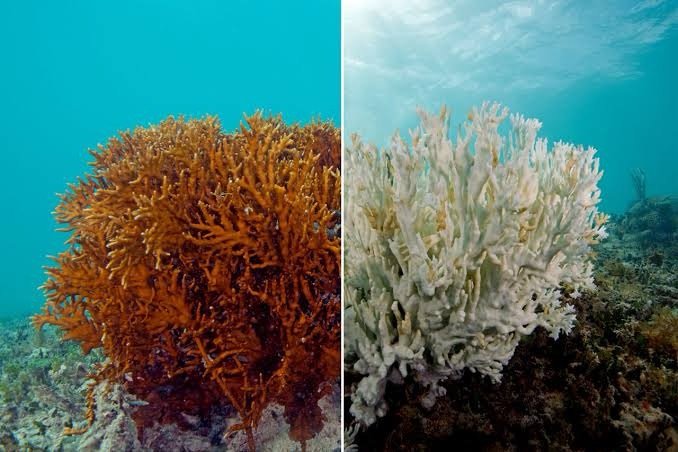
🔷 Coral Decline in Lakshadweep A recent study has shown a significant decline in coral cover in the Lakshadweep archipelago, with coral reefs reducing by nearly 50% over 24 years — from 37.24% in 1998 to just 19.6% in recent measurements. This indicates serious ecological stress in this fragile marine ecosystem. 🔷 What are Corals? Corals are invertebrate marine animals from the phylum Cnidaria. They are made up of tiny, soft-bodied organisms called polyps, which secrete calcium carbonate to form hard, protective exoskeletons. Over time, millions of polyps build massive structures known as coral reefs. Corals derive their vibrant colors from symbiotic algae called zooxanthellae. There are three major types of coral reefs: Fringing reefs – form along coastlines Barrier reefs – develop offshore in open water Atolls – circular reefs formed around submerged volcanic islands In India, major coral reef regions include the Gulf of Kutch, Gulf of Mannar, Andaman & Nicobar Islands, Lakshadweep, and Malvan. 🔷 Ecological Significance of Coral Reefs Coral reefs are vital for marine biodiversity, providing food, shelter, and breeding grounds for nearly 25% of all marine species. They act as natural nurseries for fish and other marine life. Reefs also support over 1 billion people globally who depend on them for food, income, and recreation, especially in coastal communities. 🔷 Causes of Coral Bleaching and Decline Climate Change and Marine Heatwaves – Elevated sea surface temperatures stress corals, breaking their symbiosis with algae and leading to mass bleaching. Ocean Acidification – Higher CO₂ levels lower ocean pH, reducing corals’ ability to build their calcium carbonate skeletons. Pollution – Agricultural runoff with fertilizers, pesticides, and heavy metals degrades coral health. Physical Disturbance – Coastal development, sedimentation, coral mining, and unsustainable fishing physically damage reef structures. Overfishing – Reduces reef fish populations, disturbing ecological balance and increasing algae overgrowth. 🔷 Can Corals Recover? Yes, corals can recover from bleaching if environmental conditions stabilize, especially temperature. Once favorable conditions return, the symbiotic algae re-inhabit the corals, helping them regain color and health over time.
India–UK Comprehensive Economic Trade Agreement (CETA)
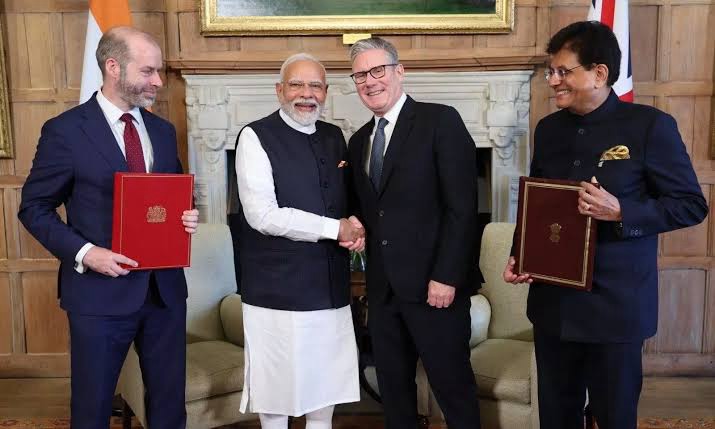
🔷 Introduction and Background India and the United Kingdom signed a landmark Comprehensive Economic Trade Agreement (CETA) during Prime Minister Narendra Modi’s visit to the UK. This is India’s first major Free Trade Agreement (FTA) in over a decade, and the UK’s fourth FTA since its exit from the European Union in 2020. The agreement was finalized after over three years of extensive negotiations. 🔷 Purpose and Significance The primary aim of the agreement is to make trade between the two countries easier, more efficient, and mutually beneficial. Currently, bilateral trade stands at approximately USD 56 billion, with both nations aiming to double this figure by 2030. The agreement will come into effect once ratified by both sides. While the Indian Union Cabinet has already approved it, it awaits approval from the UK Parliament. 🔷 Benefits for India Duty-free access for 99% of Indian products to the UK: This especially benefits labour-intensive sectors like textiles, footwear, gems and jewellery, and engineering goods that previously faced tariffs between 4% and 16%. Easier mobility for Indian professionals: Indian chefs, yoga instructors, and IT professionals will have assured temporary access to the UK job market. Exemption from social security contributions: Under the Double Contribution Convention, Indian workers temporarily in the UK will be exempt from paying social security contributions for up to three years, saving costs for both employees and employers. Boost to manufacturing and exports: Key sectors such as electronics, pharmaceuticals, chemicals, food processing, and plastics are expected to benefit. Support for agriculture and fisheries: Duty-free access for many agricultural and marine products will help Indian farmers and fisherfolk better compete in the UK market. 🔷 Benefits for the United Kingdom Reduced tariffs on nearly 90% of UK exports to India: This will make British goods more affordable and competitive in the Indian market. Major cuts in tariffs on British whisky and gin: Import duties on these goods will drop from 150% to 75% immediately, and further to 40% over the next ten years, providing a major advantage to UK distillers. Lower tariffs on UK-made automobiles: British car manufacturers will benefit from reduced import duties. Access to Indian government procurement: UK companies will be allowed to bid for Indian federal contracts above a certain threshold, opening access to a large and growing public market. Opportunities in services: The agreement includes commitments that benefit UK companies in sectors such as IT, financial services, consulting, and engineering. 🔷 UK–India Vision 2035 Roadmap This trade agreement aligns with the UK–India Vision 2035 Roadmap, which seeks to deepen and diversify the comprehensive strategic partnership between the two nations. The vision lays out clear goals and milestones for future cooperation, innovation, and growth across trade, investment, technology, education, climate action, and more. 🔷 Conclusion The Comprehensive Economic Trade Agreement marks a new era in India–UK relations, offering mutual economic growth, deeper strategic ties, and expanded people-to-people linkages. It is a critical step toward realizing the shared vision of Aatmanirbhar Bharat (Self-Reliant India) and Global Britain, unlocking new trade, investment, and professional opportunities on both sides.
भारत और यूनाइटेड किंगडम (UK) ने एक ऐतिहासिक Comprehensive Economic Trade Agreement (CETA) पर हस्ताक्षर किए।
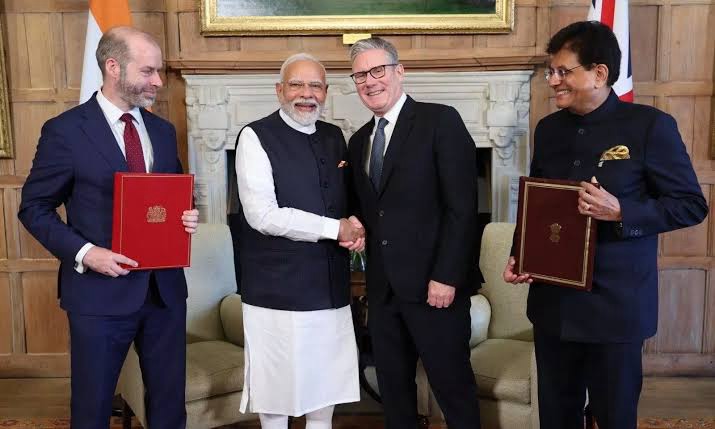
🔷 परिचय और पृष्ठभूमि भारत और यूनाइटेड किंगडम (UK) ने प्रधानमंत्री नरेंद्र मोदी की UK यात्रा के दौरान एक ऐतिहासिक Comprehensive Economic Trade Agreement (CETA) पर हस्ताक्षर किए। यह समझौता भारत का पिछले एक दशक में पहला प्रमुख मुक्त व्यापार समझौता (FTA) है, जबकि ब्रेग्ज़िट के बाद यह UK का चौथा FTA है। यह समझौता तीन वर्षों की बातचीत के बाद सम्पन्न हुआ है। 🔷 उद्देश्य और महत्व इस समझौते का मुख्य उद्देश्य भारत और UK के बीच व्यापार को सरल, सुगम और लाभकारी बनाना है। वर्तमान में दोनों देशों के बीच द्विपक्षीय व्यापार लगभग 56 अरब अमेरिकी डॉलर का है और दोनों देशों ने इसे 2030 तक दोगुना करने का लक्ष्य रखा है। समझौता तब लागू होगा जब दोनों देश इसे संसद में अनुमोदित करेंगे—भारत में कैबिनेट द्वारा यह पहले ही स्वीकृत किया जा चुका है। 🔷 भारत को होने वाले लाभ 99% भारतीय उत्पादों को UK में शून्य शुल्क पर पहुंच: इससे वस्त्र, जूते, रत्न-आभूषण, इंजीनियरिंग उत्पाद जैसे श्रम-प्रधान क्षेत्रों को विशेष लाभ मिलेगा। भारतीय पेशेवरों को UK में अस्थायी प्रवेश: योग प्रशिक्षकों, शेफ और आईटी विशेषज्ञों जैसे पेशेवरों को UK में काम करने का अवसर मिलेगा। सामाजिक सुरक्षा अंशदान से छूट: अस्थायी रूप से UK में काम कर रहे भारतीय कर्मचारियों को तीन साल तक सामाजिक सुरक्षा शुल्क नहीं देना होगा। उत्पादन क्षेत्र को प्रोत्साहन: इलेक्ट्रॉनिक्स, फार्मा, रसायन, फूड प्रोसेसिंग, प्लास्टिक जैसे क्षेत्रों की निर्यात क्षमता बढ़ेगी। कृषि और मत्स्य क्षेत्र को समर्थन: कई कृषि और समुद्री उत्पादों को UK बाजार में शुल्क-मुक्त पहुंच मिलने से भारतीय किसानों को वैश्विक प्रतिस्पर्धा में मदद मिलेगी। 🔷 यूनाइटेड किंगडम को होने वाले लाभ 90% ब्रिटिश वस्तुओं पर आयात शुल्क में कमी: इससे भारत में ब्रिटिश उत्पाद सस्ते और प्रतिस्पर्धी बनेंगे। व्हिस्की और जिन पर शुल्क में कटौती: वर्तमान 150% शुल्क को घटाकर 75% किया जाएगा और अगले दस वर्षों में यह 40% तक लाया जाएगा। ब्रिटिश कारों पर कम शुल्क: इससे UK की ऑटोमोबाइल कंपनियों को भारत में प्रतिस्पर्धात्मक लाभ मिलेगा। सरकारी निविदाओं में भागीदारी: ब्रिटिश कंपनियाँ भारत सरकार की उच्च मूल्य वाली टेंडरों में हिस्सा ले सकेंगी। सेवाओं के क्षेत्र में अवसर: IT, वित्तीय सेवाओं, कंसल्टिंग और इंजीनियरिंग जैसी पेशेवर सेवाओं को लाभ मिलेगा। 🔷 UK-India Vision 2035 Roadmap इस व्यापार समझौते को UK-India Vision 2035 Roadmap के रणनीतिक ढांचे में देखा जा सकता है। यह रोडमैप दोनों देशों के बीच व्यापक रणनीतिक साझेदारी को और मजबूत करता है और विभिन्न क्षेत्रों में सहयोग को गहरा करने के लिए स्पष्ट लक्ष्य और मील के पत्थर निर्धारित करता है। यह भविष्य के लिए नवाचार और सतत साझेदारी का मार्ग प्रशस्त करता है। 🔷 निष्कर्ष CETA भारत और UK के बीच आर्थिक, रणनीतिक और सामाजिक रिश्तों में एक नया अध्याय जोड़ता है। यह न केवल व्यापार और निवेश को बढ़ावा देगा, बल्कि पेशेवरों, किसानों, निर्माताओं और सेवा प्रदाताओं के लिए भी नए अवसरों का द्वार खोलेगा। यह समझौता आत्मनिर्भर भारत और ग्लोबल ब्रिटेन की साझा रणनीति को व्यवहार में लाने का एक ठोस कदम है।
राष्ट्रीय सहकारिता नीति – 2025
🔷 प्रस्तावना: सहकारिता क्षेत्र में नया युग भारत सरकार के सहकारिता मंत्रालय ने राष्ट्रीय सहकारिता नीति – 2025 को प्रस्तुत किया है, जो भारत की सहकारी आंदोलन की दिशा में एक ऐतिहासिक और परिवर्तनकारी कदम है। यह दूसरी राष्ट्रीय नीति है — पहली नीति 2002 में लागू की गई थी। यह नीति सहकारिता क्षेत्र को समावेशी, प्रतिस्पर्धी और भविष्य के लिए सक्षम बनाने की प्रतिबद्धता को दोहराती है। 🔷 नीति के स्तंभ और लक्ष्य नीति को 6 प्रमुख स्तंभों पर आधारित किया गया है: नींव को मजबूत करना जीवंतता को बढ़ावा देना भविष्य के लिए सहकारिताओं को तैयार करना समावेशिता बढ़ाना और पहुँच का विस्तार नए क्षेत्रों में विस्तार युवा पीढ़ी को तैयार करना मुख्य लक्ष्य हैं: वर्ष 2034 तक सहकारिता क्षेत्र का GDP में योगदान तीन गुना करना, सहकारी संस्थाओं की संख्या को 30% तक बढ़ाना (वर्तमान में 8.3 लाख), 50 करोड़ नए या निष्क्रिय नागरिकों को सक्रिय भागीदारी में लाना, प्रत्येक गाँव में एक सहकारी इकाई और प्रत्येक तहसील में 5 मॉडल सहकारी गाँव विकसित करना (NABARD की सहायता से), प्रत्येक पंचायत में एक PACS या प्राथमिक सहकारी इकाई की स्थापना करना। 🔷 सहकारिता क्या है? सहकारी संस्था एक ऐसी संस्था होती है जो अपने सदस्यों के द्वारा चलाई जाती है और जिनका उद्देश्य लाभ कमाना नहीं बल्कि सदस्यों की सामाजिक, सांस्कृतिक और आर्थिक आवश्यकताओं को पूरा करना होता है। यह संस्था “एक सदस्य, एक मत” के सिद्धांत पर आधारित होती है, जिसमें प्रत्येक सदस्य की बराबरी होती है। 🔷 ग्रामीण भारत की रीढ़: सहकारिता भारत की 65% से अधिक जनसंख्या ग्रामीण क्षेत्रों में रहती है और सहकारी संस्थाएँ इन क्षेत्रों में कृषि ऋण, विपणन, बीज, खाद, और अन्य सेवाएं प्रदान करके ग्रामीण अर्थव्यवस्था को सशक्त बनाती हैं। उदाहरण के लिए – अमूल जैसे सहकारी मॉडल ने लाखों भूमिहीन और सीमांत दुग्ध उत्पादकों को सशक्त बनाया है। PACS (Primary Agricultural Credit Societies) ग्रामीण ऋण वितरण की पहली इकाई होती हैं। 🔷 संवैधानिक संरक्षण: 97वां संशोधन अधिनियम, 2011 सहकारी संस्थाओं को संवैधानिक दर्जा 97वें संविधान संशोधन अधिनियम, 2011 द्वारा दिया गया। अनुच्छेद 19 में सहकारी संस्था बनाने का मौलिक अधिकार जोड़ा गया। अनुच्छेद 43-बी के रूप में एक नया राज्य नीति निदेशक सिद्धांत जोड़ा गया। भाग IX-B (अनुच्छेद 243-ZH से 243-ZT) जोड़ा गया जो सहकारी संस्थाओं की संरचना और शासन को विनियमित करता है। बहु-राज्य सहकारी संस्थाओं के लिए संसद को और अन्य सहकारिताओं के लिए राज्य विधानसभाओं को कानून बनाने का अधिकार प्रदान किया गया। 🔷 हाल की प्रमुख सरकारी पहलें सरकार ने सहकारिता क्षेत्र को सशक्त बनाने हेतु कई कदम उठाए हैं: गुजरात के आनंद में त्रिभुवन सहकारी विश्वविद्यालय की स्थापना। NABARD द्वारा मॉडल सहकारी गाँव कार्यक्रम की शुरुआत। सहकार टैक्सी योजना – जिसमें ड्राइवरों को लाभ में साझेदारी मिलती है। बहु-राज्य राष्ट्रीय सहकारी समितियों की स्थापना – निर्यात, बीज उत्पादन, जैविक उत्पाद विपणन के लिए। महिलाओं की भागीदारी पर केंद्रित श्वेत क्रांति 2.0। PACS का विस्तार – जन औषधि केंद्र, एलपीजी वितरण, ईंधन सेवा, और ग्रामीण बुनियादी ढांचे में। 🔷 निष्कर्ष: सहकारिता से आत्मनिर्भरता की ओर राष्ट्रीय सहकारिता नीति – 2025 एक दूरदर्शी पहल है, जो सहकारिताओं को समावेशी और सतत विकास का इंजन बनाने की दिशा में काम करती है। भारत के स्वतंत्रता के 100 वर्ष पूरे होने तक (2047), एक सशक्त और आधुनिक सहकारी क्षेत्र भारत को आत्मनिर्भर और सामाजिक रूप से सशक्त राष्ट्र बनाने में महत्त्वपूर्ण भूमिका निभा सकता है।
National Cooperative Policy- 2025
Introduction: A Renewed Vision for Cooperatives The Union Ministry of Cooperation has unveiled the National Cooperation Policy – 2025, representing a landmark reform in India’s cooperative movement. Coming after the first policy introduced in 2002, this updated policy reflects the government’s renewed commitment to making cooperatives more inclusive, competitive, and future-ready, aligning them with the national vision of Aatmanirbhar Bharat. Core Pillars and Key Objectives The policy is built on six major pillars: Strengthening the Foundation Promoting Vibrancy Preparing Cooperatives for the Future Enhancing Inclusivity and Expanding Reach Expanding into New Sectors Preparing the Younger Generation Its ambitious goals include tripling the cooperative sector’s GDP contribution by 2034, expanding the number of cooperative societies by 30% (from the current 8.3 lakh), and activating 50 crore new or inactive participants. The policy also aims to establish a cooperative in every village and five Model Cooperative Villages (MCVs) per tehsil, with support from NABARD, along with PACS in every panchayat. What are Cooperatives? Cooperatives are member-owned and democratically managed organizations that function on the principle of “one member, one vote.” Their primary goal is not profit maximization but the fulfillment of the economic, cultural, and social needs of their members. They play a critical role in providing collective bargaining power, especially to marginal groups like farmers, artisans, and women. Economic Backbone and Rural Empowerment Cooperatives are central to India’s rural economy. Over 65% of Indians live in rural areas where cooperatives provide crucial services such as credit, marketing, infrastructure, and inputs. PACS serve as the first point of credit delivery in rural regions. Successful cooperative models like Amul have empowered millions of small and marginal dairy farmers by eliminating middlemen and pooling resources. Constitutional Backing: 97th Amendment Act, 2011 The 97th Constitutional Amendment gave a constitutional status to cooperative societies. It made the right to form cooperatives a fundamental right under Article 19, inserted Article 43-B as a Directive Principle for promotion of cooperatives, and introduced Part IX-B (Articles 243-ZH to 243-ZT) to govern their structure and regulation. This amendment empowers both Parliament and State Legislatures to legislate on cooperatives depending on their jurisdiction. Recent Government Initiatives Several initiatives have been launched to revitalize the cooperative ecosystem. These include the establishment of Tribhuvan Sahkari University in Gujarat, creation of Model Cooperative Villages by NABARD, and forming multi-state cooperative societies for exports, seed production, and organic product marketing. Innovative projects like Sahkar Taxi promote equitable profit-sharing. Scheduled Cooperative Banks are now treated at par with commercial banks, and PACS are being diversified into services like Jan Aushadhi Kendras, fuel and LPG delivery, and rural logistics. Conclusion: Towards Aatmanirbhar Bharat by 2047 The National Cooperation Policy – 2025 is a visionary roadmap to transform cooperatives into key engines of inclusive and sustainable development. By empowering rural populations and integrating cooperatives with national goals, the policy aligns with the vision of a self-reliant India, especially as the country nears its 100th year of independence in 2047.
“What deters pilots from seeking help for mental health concerns”
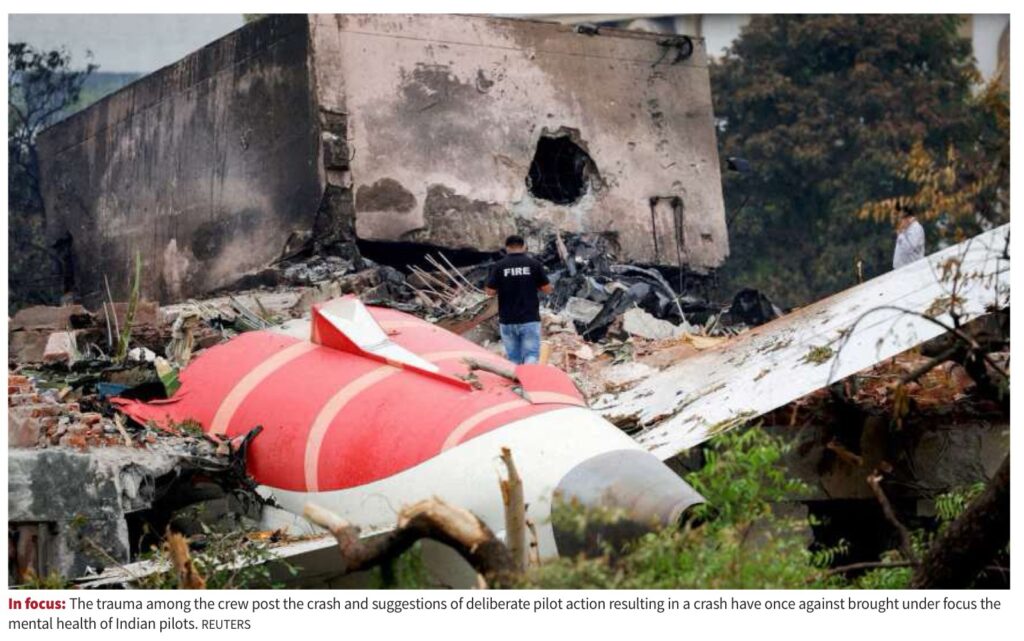
महामारी के बाद मानसिक स्वास्थ्य को लेकर जागरूकता बढ़ने के बावजूद, कई एयरलाइन पायलट चिंता, अवसाद या बर्नआउट जैसी समस्याओं के लिए मदद लेने में हिचकिचाते हैं। इसका मुख्य कारण केवल सामाजिक कलंक (stigma) नहीं है, बल्कि यह डर भी है कि यदि वे अपनी समस्या उजागर करते हैं तो इससे उनकी चिकित्सा प्रमाणिकता (medical certification), उड़ान की पात्रता और पेशेवर भविष्य पर नकारात्मक असर पड़ सकता है। 🔸 मुख्य बिंदु: लेख की शुरुआत जून 2024 में एयर इंडिया एक्सप्रेस के बोइंग 737 विमान दुर्घटना में शामिल एक पायलट के मानसिक आघात से होती है। यह घटना उस पायलट को मानसिक रूप से व्यथित कर गई, जिससे वह ठीक से नींद भी नहीं ले सका और काम पर लौटना कठिन हो गया। कम उम्र के पायलटों और केबिन क्रू में पोस्ट-ट्रॉमेटिक स्ट्रेस डिसऑर्डर (PTSD) का खतरा अधिक होता है। ऐसे हादसों के बाद अक्सर उड़ानें रद्द होती हैं या मेडिकल लीव ली जाती है। कई पायलट लगातार बैक-टू-बैक घरेलू उड़ानें भरते हैं, जिनमें आराम का समय बेहद कम होता है, जिससे थकावट, तनाव और सामाजिक अलगाव की स्थिति बन जाती है। ग्राउंडिंग (उड़ान से रोक) और आय खोने का डर मानसिक स्वास्थ्य समस्याओं की रिपोर्टिंग को रोकता है, भले ही जागरूकता बढ़ी हो। 🔹 विशेषज्ञों की राय: शुभाशीष मजूमदार, पूर्व एयरलाइन कमांडर: भारतीय विमानन क्षेत्र में अब भी मानसिक स्वास्थ्य को खुलकर स्वीकार नहीं किया जाता। नीतिगत अस्पष्टता, सामाजिक कलंक और मानसिक स्वास्थ्य सेवाओं की लागत पायलटों को मदद लेने से रोकती है। डॉ. जिजो जॉन, एविएशन साइकोलॉजिस्ट: भले ही कलंक कम हो रहा हो, लेकिन यदि मदद लेने से लाइसेंस या सर्टिफिकेशन को खतरा है, तो पायलट फिर भी चुप रहते हैं। 2022 में डब्ल्यू. हॉफमैन द्वारा की गई एक अमेरिकी अध्ययन के अनुसार, जो पायलट मदद लेना चाहते भी हैं, वे नीतियों की अस्पष्टता के कारण कदम नहीं उठाते। ⚖️ नीति और नियामक प्रतिक्रियाएं: फरवरी 2023 में, DGCA ने “मानसिक स्वास्थ्य संवर्धन” पर एक सर्कुलर जारी किया, जिसमें स्व-रिपोर्टिंग को प्रोत्साहित किया गया और 25-पॉइंट प्रश्नावली को अनिवार्य किया गया। 22 जुलाई 2024 को, DGCA ने एयरलाइन डॉक्टरों को इन मानसिक स्वास्थ्य प्रोटोकॉल का सख्ती से पालन करने के निर्देश दिए। 🧾 निचोड़ (मुख्य निष्कर्ष): पायलटों में मानसिक स्वास्थ्य समस्याएं वास्तविक हैं, जो नौकरी के तनाव, अनियमित समय और आराम की कमी से और बिगड़ जाती हैं। उड़ान लाइसेंस खोने, नीति की स्पष्टता की कमी और गोपनीयता संबंधी चिंताओं के चलते पायलट मदद लेने से बचते हैं। विमानन क्षेत्र में मानसिक स्वास्थ्य सेवाओं को संरचित, गोपनीय और कलंक-मुक्त बनाने के लिए नीतिगत सुधार, जागरूकता, और समर्थन प्रणाली का निर्माण अत्यावश्यक है।